
Parliamentary Ombudsman Access Review
{jathumbnail off images=”images/stories/ritatrust/blogs/blogs-1570-002.jpg,images/stories/ritatrust/blogs/blogs-1570-004.jpg,images/stories/ritatrust/blogs/blogs-1570-008.jpg”}
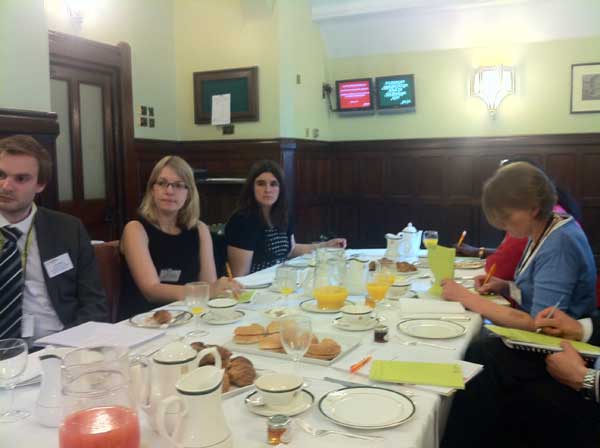
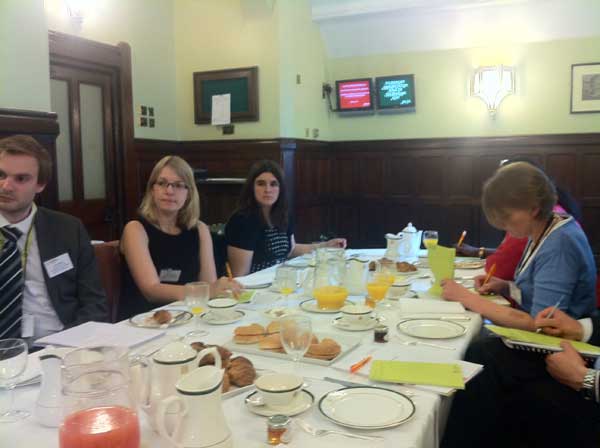 A breakfast meeting at the House of Commons on 30 June 2011 to review whether to allow direct access to the public to make complaints which currently have to go through an MP
If the public wishes to make a complaint against any Government department on their handling of an issue, e.g., immigration problem inadequately handled by the UK Border Agency (UKBA) or the Home Office, or a complaint against the NHS not being redressed adequately by the Department of Health, or a prison complaint not adequately handled by the Justice department, etc. then the complaint has to first be registered with one’s local MP and if he/she cannot resolve it then it passes onto the Parliamentary Ombudsman.
But the Ombudsman has found that some complainants do not like to talk to their MP and would rather come directly to the Ombudsman whereas the law requires them to go through an MP first. The access to the Ombudsman through the MP is referred to as the MP filter and it allows the MP’s to keep in touch with their constituents issues and also it means that there is a certain level of responsibility on the MP to make sure that their constituents’ complaints are handled satisfactorily.
I was invited along with our CEO Hashmukh Pankhania of CEMVO to a breakfast discussion on this ‘access’ issue, along with various other organisations like, Mind, Refugee Council, Citizen Advice, RNIB, Equalities National Council and so on. The general view was that we ought to allow direct access in addition to the MP route , so a dual access approach, but Bernard Jenkins MP said that the dual access will probably mean that the MP will wash his hands off any responsibility for this function which at the moment is solely responsible for.
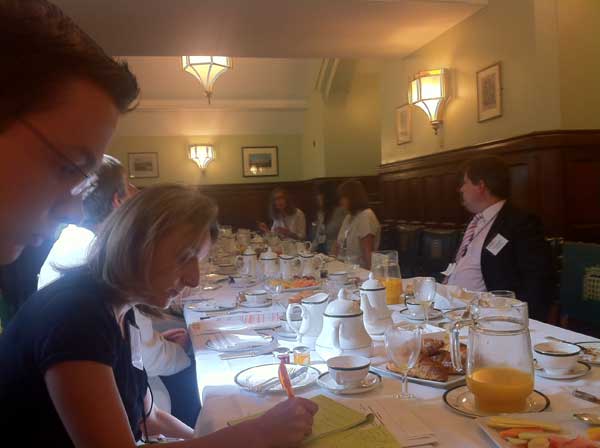 I then added that the Ombudsman is a service provider whereas the MP being responsible allows further recourse to the complainant if not satisfied with the result to then take the case further to the Parliamentary Standards Committee if the MP was felt to be not responsible in following up the complaint and therefore it is important to keep the MP at least accountable, in a good working relationship way. One option could be to allow direct access where desired but always refer the case to the local MP first to see if he/she could resolve it, failing which the Ombudsman could pursue it or in cases where the complainant did not wish to go through the MP at all, the Ombudsman could still keep the MP informed at all times.
The Refugees Council said that on the UKBA problems they have found that the MP filter is valuable in that the refugees can build a relationship with the MP which otherwise would be just a long paper chase for them.
The MP’s present also said that intermediaries like the Citizen Advice, CEMVO, Mind etc. could also take the role of the MP filter but most round the table did not wish to take that sort of ownership with the current cuts in their resources.
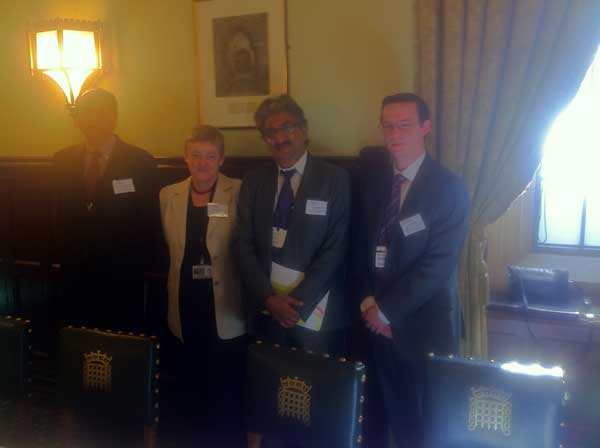 Ann Abraham, the Parliamentary Ombudsman who employs about 400 staff said that the direct access route would not increase their workload substantially as many complaints come to them directly now anyway but this consultation is about whether a change in the law is now necessary to address that anomaly and also to see whether partnerships can be forged to deal with complaints across the other Government ombudsmen, MP’s, Local Government Ombudsman and intermediaries, though she realises various problems of selecting the right partners.
The review process will continue for a year or so at the minimum.
Finally … an insignificant thought occured to me whether its time to rename the Ombudsman to Ombudsperson? Maybe not, Ombudsman does have a ring to it which Ombudsperson seem to lack somewhat.
Anil Bhanot
30 June 2011


